Buy gewächshäuser.eu ?
We are moving the project
gewächshäuser.eu .
Are you interested in purchasing the domain
gewächshäuser.eu ?
domain@kv-gmbh.de · 0541-91531010
Buy gewächshäuser.eu ?
How does gas exchange work?
Gas exchange is the process by which oxygen is taken in from the air and carbon dioxide is released from the body. In the lungs, oxygen from the air diffuses into the bloodstream through tiny blood vessels called capillaries surrounding the alveoli. At the same time, carbon dioxide from the bloodstream diffuses into the alveoli to be exhaled. This exchange of gases occurs due to differences in partial pressures of oxygen and carbon dioxide between the air in the lungs and the blood in the capillaries. **
What is the gas exchange?
Gas exchange is the process by which oxygen is taken in and carbon dioxide is expelled from the body. In the respiratory system, this occurs in the lungs, where oxygen from the air is transferred into the bloodstream and carbon dioxide is removed from the bloodstream and exhaled. This exchange of gases is essential for the body to obtain the oxygen it needs for cellular respiration and to rid itself of the waste product carbon dioxide. **

Similar search terms for Gas exchange
Top-Angebote
Products related to Gas exchange:
-
York Wallcoverings Exchange Misty Haze WallpaperExchange's small, unique, fractured lines feel like an artisanal installation rendered in burnished metallic against a textural plaster ground, shown in sea glass green with burnished metallic..170,00 $*Shipping: 0,00 $Secure redirect to the provider




-
Can you exchange gas bottles anywhere?
No, gas bottles cannot be exchanged just anywhere. Gas bottle exchanges are typically done at authorized gas bottle exchange locations such as gas stations, hardware stores, or specialized gas bottle exchange centers. It is important to check with the specific location to see if they offer gas bottle exchange services. **
-
Can you easily explain gas exchange?
Gas exchange is the process by which oxygen is taken in and carbon dioxide is released from the body. In the lungs, oxygen from the air is absorbed into the bloodstream through tiny air sacs called alveoli, while carbon dioxide is removed from the blood and exhaled. This exchange occurs due to differences in the concentration of gases between the air in the lungs and the blood in the capillaries surrounding the alveoli. The oxygen is then transported to cells throughout the body via the bloodstream, where it is used for cellular respiration, while carbon dioxide is carried back to the lungs to be exhaled. **
-
Can you refill or exchange a gas bottle at the gas station?
No, gas bottles cannot be refilled or exchanged at a regular gas station. Gas bottles typically contain propane or other gases used for heating or cooking, and they require specialized equipment and procedures for refilling or exchanging. This service is usually provided by gas suppliers, hardware stores, or specialized gas refill stations. It is important to follow the proper safety guidelines when handling and refilling gas bottles. **
-
Can you refill or exchange a gas cylinder at the gas station?
No, gas cylinders cannot be refilled or exchanged at a regular gas station. Gas cylinders are typically used for propane or other gases for heating or cooking purposes and require specialized equipment and procedures for refilling or exchanging. This service is usually provided by gas cylinder exchange locations or specialized gas suppliers. **


How does gas exchange work in the alveoli?
Gas exchange in the alveoli occurs through a process called diffusion. Oxygen from the inhaled air passes through the thin walls of the alveoli and into the surrounding capillaries, where it binds to hemoglobin in red blood cells. At the same time, carbon dioxide, a waste product of cellular respiration, diffuses from the blood into the alveoli to be exhaled. This exchange of gases is facilitated by the large surface area and thin walls of the alveoli, as well as the close proximity of the alveoli to the capillaries. **
Which greenhouse gas is worse?
It is difficult to say which greenhouse gas is "worse" as each gas has different properties and impacts on the environment. However, carbon dioxide (CO2) is the most abundant greenhouse gas and contributes the most to global warming over the long term. Methane (CH4) is a more potent greenhouse gas than CO2, but it has a shorter atmospheric lifetime. Additionally, nitrous oxide (N2O) is also a potent greenhouse gas with a long atmospheric lifetime. Overall, all greenhouse gases contribute to global warming and have different impacts, so it is important to address emissions of all of them. **
Top-Angebote
Products related to Gas exchange:
-
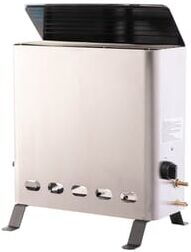
Super Heat 2kW Greenhouse Gas HeaterSuper Heat 2kW Greenhouse Gas Heater Keep your plants healthy all year round with the Super Heat 2kW Greenhouse Gas Heater, designed to maintain temperatures and prevent frost damage in small to medium greenhouses. 2kW heat output means even warmth distribution for optimal growth – especially in colder months. Easy to use and energy efficient, this propane powered greenhouse heater has piezo ignition, thermostatic control and oxygen depletion system (ODS) for maximum safety and convenience. Once your desired temperature is reached the heater will switch to standby mode to save energy and maintain perfect growing conditions. Lightweight and portable, it can be placed exactly where extra heat is needed. Comes with a propane hose and screw-on regulator so it?99,00 £*Shipping: 0,00 £Secure redirect to the provider
-
Super Heat 4.2kW Pro Gas Greenhouse HeaterSuper Heat Pro 4.2kW Gas Greenhouse Heater The Super HeatPro 4.2kW Gas Greenhouse Heater is a top quality, thermostatically controlled propane heater that will keep your greenhouse warm during the colder months — without the need for electricity.Made in Europe from stainless steel, this heater isbuilt to withstand the harshest of climates, a reliable and energy efficient heating solution for your greenhouse. Unlike outdoor heaters the Super Heat Pro4.2kW has a bespoke self-ignition system and automatic standby thermostat, it will maintain your set temperature with minimal gas consumption. When the temperature is reached the heater will pause and conserve fuel while keeping your plants frost free.129,00 £*Shipping: 0,00 £Secure redirect to the provider
-
How does gas exchange work?
Gas exchange is the process by which oxygen is taken in from the air and carbon dioxide is released from the body. In the lungs, oxygen from the air diffuses into the bloodstream through tiny blood vessels called capillaries surrounding the alveoli. At the same time, carbon dioxide from the bloodstream diffuses into the alveoli to be exhaled. This exchange of gases occurs due to differences in partial pressures of oxygen and carbon dioxide between the air in the lungs and the blood in the capillaries. **
-
What is the gas exchange?
Gas exchange is the process by which oxygen is taken in and carbon dioxide is expelled from the body. In the respiratory system, this occurs in the lungs, where oxygen from the air is transferred into the bloodstream and carbon dioxide is removed from the bloodstream and exhaled. This exchange of gases is essential for the body to obtain the oxygen it needs for cellular respiration and to rid itself of the waste product carbon dioxide. **
-
Can you exchange gas bottles anywhere?
No, gas bottles cannot be exchanged just anywhere. Gas bottle exchanges are typically done at authorized gas bottle exchange locations such as gas stations, hardware stores, or specialized gas bottle exchange centers. It is important to check with the specific location to see if they offer gas bottle exchange services. **
-
Can you easily explain gas exchange?
Gas exchange is the process by which oxygen is taken in and carbon dioxide is released from the body. In the lungs, oxygen from the air is absorbed into the bloodstream through tiny air sacs called alveoli, while carbon dioxide is removed from the blood and exhaled. This exchange occurs due to differences in the concentration of gases between the air in the lungs and the blood in the capillaries surrounding the alveoli. The oxygen is then transported to cells throughout the body via the bloodstream, where it is used for cellular respiration, while carbon dioxide is carried back to the lungs to be exhaled. **
Similar search terms for Gas exchange
-
York Wallcoverings Exchange Misty Haze WallpaperExchange's small, unique, fractured lines feel like an artisanal installation rendered in burnished metallic against a textural plaster ground, shown in sea glass green with burnished metallic..170,00 $*Shipping: 0,00 $Secure redirect to the provider
-
York Wallcoverings Exchange Crystal Shore WallpaperExchange's small, unique, fractured lines feel like an artisanal installation rendered in burnished metallic against a textural plaster ground, shown in taupe grey with burnished metallic..170,00 $*Shipping: 0,00 $Secure redirect to the provider
-
Can you refill or exchange a gas bottle at the gas station?
No, gas bottles cannot be refilled or exchanged at a regular gas station. Gas bottles typically contain propane or other gases used for heating or cooking, and they require specialized equipment and procedures for refilling or exchanging. This service is usually provided by gas suppliers, hardware stores, or specialized gas refill stations. It is important to follow the proper safety guidelines when handling and refilling gas bottles. **
-
Can you refill or exchange a gas cylinder at the gas station?
No, gas cylinders cannot be refilled or exchanged at a regular gas station. Gas cylinders are typically used for propane or other gases for heating or cooking purposes and require specialized equipment and procedures for refilling or exchanging. This service is usually provided by gas cylinder exchange locations or specialized gas suppliers. **
-
How does gas exchange work in the alveoli?
Gas exchange in the alveoli occurs through a process called diffusion. Oxygen from the inhaled air passes through the thin walls of the alveoli and into the surrounding capillaries, where it binds to hemoglobin in red blood cells. At the same time, carbon dioxide, a waste product of cellular respiration, diffuses from the blood into the alveoli to be exhaled. This exchange of gases is facilitated by the large surface area and thin walls of the alveoli, as well as the close proximity of the alveoli to the capillaries. **
-
Which greenhouse gas is worse?
It is difficult to say which greenhouse gas is "worse" as each gas has different properties and impacts on the environment. However, carbon dioxide (CO2) is the most abundant greenhouse gas and contributes the most to global warming over the long term. Methane (CH4) is a more potent greenhouse gas than CO2, but it has a shorter atmospheric lifetime. Additionally, nitrous oxide (N2O) is also a potent greenhouse gas with a long atmospheric lifetime. Overall, all greenhouse gases contribute to global warming and have different impacts, so it is important to address emissions of all of them. **
* All prices are inclusive of VAT and, if applicable, plus shipping costs. The offer information is based on the details provided by the respective shop and is updated through automated processes. Real-time updates do not occur, so deviations can occur in individual cases. ** Note: Parts of this content were created by AI.